The Dwell Time-Speed Equilibrium: Planning guide for EV charging infrastructure
1. Introduction: replacing “petrol thinking”
Commercial property owners stand to benefit from the growth of EV adoption, but the return depends on choosing the right charging approach. Installing chargers isn’t just an amenity upgrade; it affects operating expenses, customer satisfaction, and long-term site value.
The first obstacle is habit. People still default to the petrol-station model: wait until empty, then find the quickest possible refill. EV drivers rarely need that pattern, and properties that plan around it often overspend on hardware that delivers little benefit.
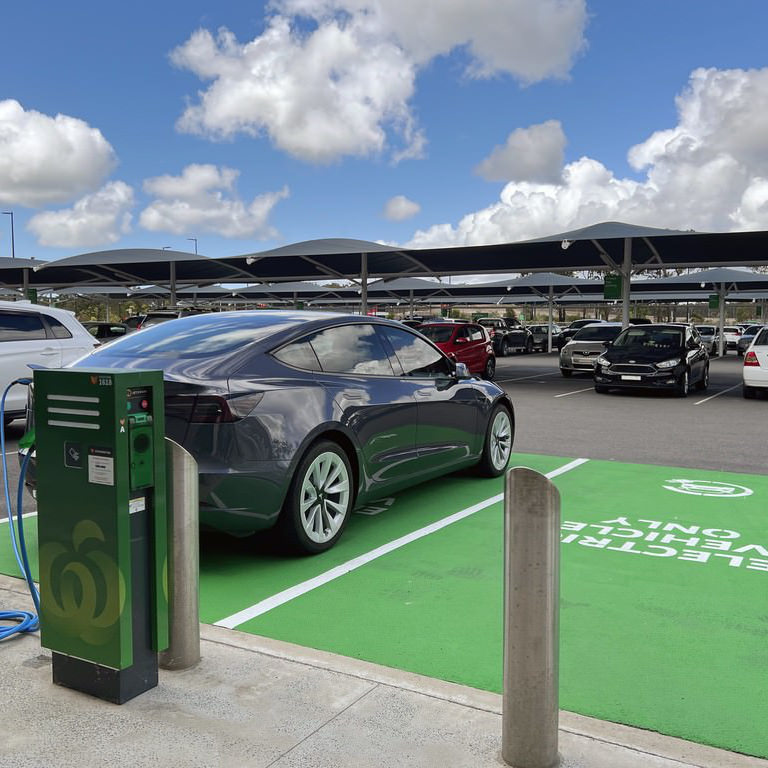
A more accurate model is “charge where you park.” Workplaces, hotels, retail centres, and restaurants already provide built-in parking time. Turning those hours into charging time creates a smoother experience for drivers and a more efficient use of infrastructure. Building a strategy around dwell time — how long people typically remain on site — sets the foundation for a cost-effective deployment.
2. Core ideas: balancing cost, speed, and convenience
Charger speed, installation cost, and customer experience are linked. The fastest option is often the most expensive and least practical for both the property owner and the driver.
Key trade-offs include:
- Higher capital cost. Faster chargers require heavier electrical service upgrades and carry far higher equipment prices.
- Fewer total stalls. Because high-speed units are expensive and power-hungry, the same budget buys far fewer plugs. This restricts access during busy periods.
- Operational friction. To keep fast chargers available, owners usually need idle fees or time limits. Drivers then have to interrupt their visit to move their car.
- Pricing pressure. To recover costs, DC fast charging must be priced much higher per kWh. In some regions, this can approach or exceed the fuel cost of petrol cars, which discourages repeat use.
The best experience is one where the driver doesn’t need to think about charging at all. If the vehicle gains the required energy while the driver is already at work, asleep, or shopping, the process feels invisible. The infrastructure should match the expected parking pattern of each user group.
Balancing installation cost, charging speed, and customer convenience
3. Matching charging solutions to your property type
Charging needs vary widely by location. A layout that works well at an office park won’t serve a grocery store effectively. Decisions should track the typical visit length.
3.1 Long-dwell properties: offices and hotels
These sites offer the most predictable charging window.
Office properties
Workers often remain parked for a full day, so the priority is access, not speed.
- Prioritize more plugs over faster plugs. Consider an office with 20 EV-driving employees:
- Scenario A: Sixteen 3 kW chargers and four 6 kW chargers. Everyone plugs in when they arrive, and all cars leave with the range they need.
- Scenario B: Ten 7.2 kW chargers. Half the drivers must come back during the day to move cars, and others must wait for a stall to open. The first layout offers a simpler, more predictable experience.
- Recommended mix. Many low-power stations (1.5 kW or 3 kW) for routine use, a small number of 7 kW Level 2 chargers for employees with higher daily range needs, and possibly a single 25–50 kW DC unit for fleet or emergency use.
Hotels
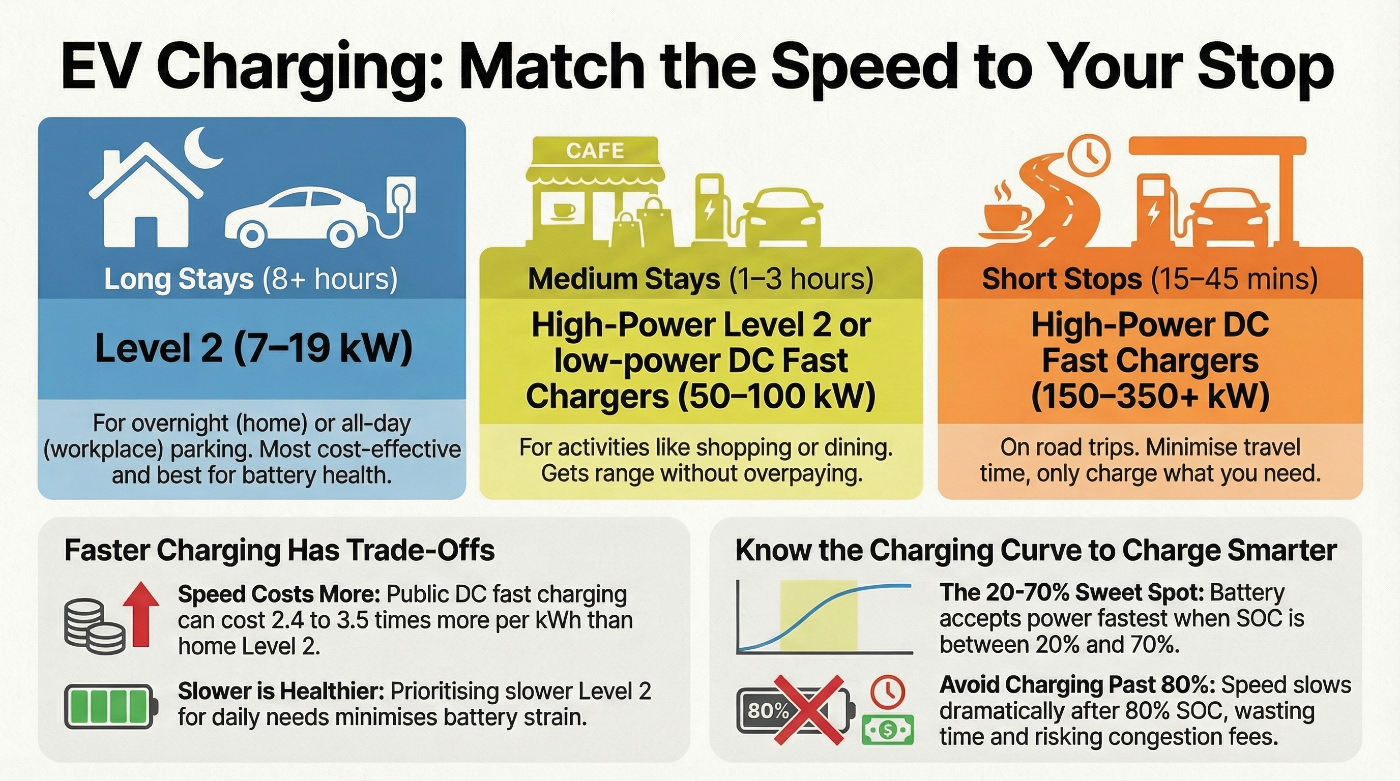
Guests typically park overnight, making moderate-speed Level 2 charging the most consistent match.
- Single-night guests: 7 kW chargers supply a full charge by morning.
- Multi-night guests: A combination of 3 kW and 7 kW chargers covers both short and extended stays without straining the electrical load.
- Fast charging: Not necessary. The long dwell time makes DC fast chargers both expensive and redundant.
3.2 Mid- and short-dwell properties: retail, dining, entertainment
Shorter visits require more targeted power levels so drivers leave with useful range.
| Venue type | Typical dwell time | Recommended charging power |
|---|---|---|
| Sit-down restaurants | ~1+ hour | 50–70 kW |
| Counter-service dining, fast food | ~30 minutes | ~100 kW |
| Grocery stores | 20–40 minutes | 50-120 kW |
| Shopping centres | 30–120 minutes | Mix of 10 kW, 40 kW, 150 kW |
| Cinemas | ~2 hours | 40 kW plus some 7 kW stalls |
Shopping centres and cinemas have wide variation in stay length, so a mix of speeds works best. Lower-power stations suit longer outings, while mid- and high-power units help customers on brief stops. This approach broadens usefulness without overbuilding the site around a single type of visitor.
4. A closer look at high-speed charging as a standalone business
Some operators consider building ultra-fast charging hubs in urban areas, similar to petrol stations. This model faces structural problems.
- Who uses them: Mostly drivers without home or workplace charging, or those still learning EV habits.
- Why they leave: As soon as they gain regular access to cheaper Level 2 charging at everyday destinations, they stop relying on expensive fast chargers.
- Core weakness: The business depends on a customer group that shrinks as more properties offer slower, low-cost charging during normal parking.
High-power charging has one clear fit: rural motorway rest stops where drivers want to minimize travel time. Even here, profitability is difficult (ex. Sydney to Canberra vs Sydney to Orange). Very high-power equipment and the required grid capacity are costly, and utilization must stay high to cover expenses. Traffic volume outside major corridors rarely supports this.
Across most use cases, the commercially sustainable path is to integrate charging into locations where people already spend time rather than recreating the petrol station template.
5. Framework for property owners
A durable charging strategy focuses on predictable parking habits rather than maximum charging speed. Slower charging, applied at scale, usually gives drivers a better experience and provides better returns for the property.
A straightforward planning process:
- Study typical dwell times. Look at how long employees, shoppers, guests, or diners stay on site.
- Choose the slowest speed that meets the need. Match charging power to the time window rather than assuming faster equipment is superior.
- Install more stalls instead of faster stalls. More plugs reduce queues, reduce the need for penalties or time limits, and serve a wider group of drivers.
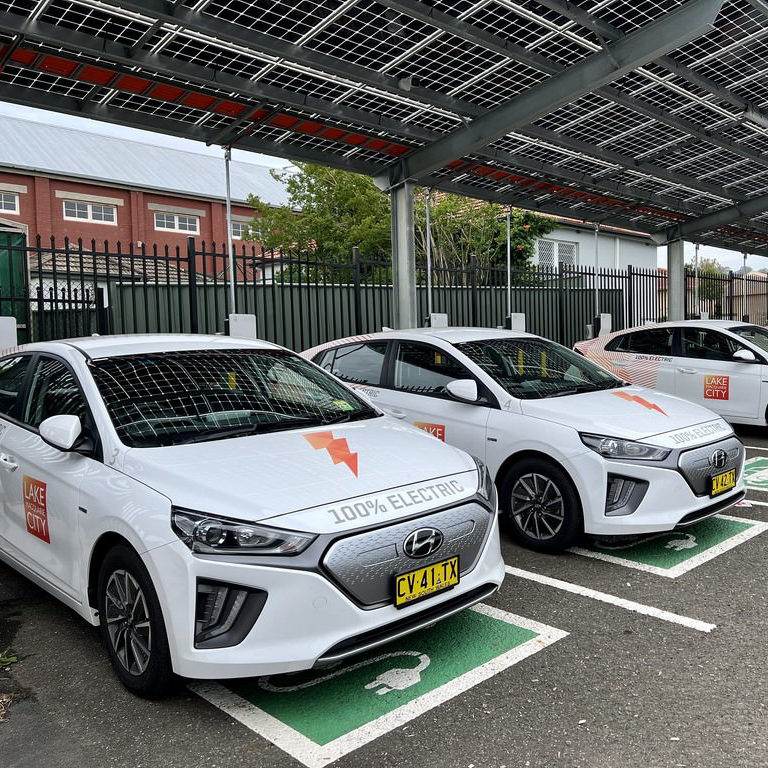
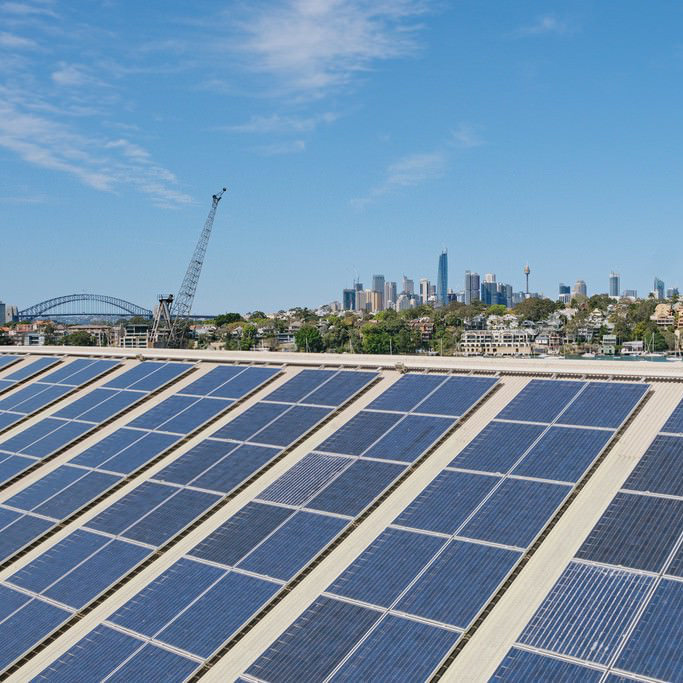
- Think about solar canopy integration. Longer dwell times make it easier to align solar production with charging demand.
Designing charging to match routine parking keeps costs under control and aligns the infrastructure with the way people naturally use your property.
References and further reading:
DCFC vs L2: Is faster always better?
How Much Does It Cost To Charge An Electric Car?
DC Charging: Minute vs kWh Pricing – What’s More Cost-Effective?
How Much Does Public EV Fast Charging Actually Cost?
Understanding the Charging Curve and the 80% Rule for Your EV
What Are Typical EV Charging Times?